

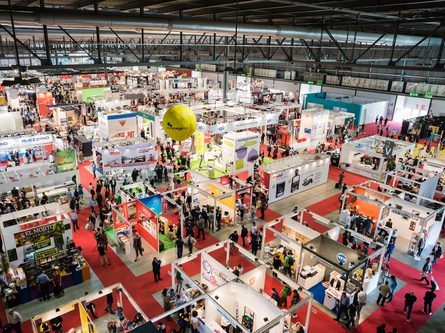
Exhibiting at a trade show represents a significant investment of time, money and resources. Stand space, travel, accommodation, display materials, staffing and promotional activity all add up quickly, particularly for businesses attending larger industry events.
As The Print Show’s Event Director Chris Davies explained, exhibiting brings costs, “But more so than the money, it’s your time.”
That investment also comes with a concentrated window of opportunity. Exhibitors may only have a few hours or days to attract attention, start conversations and leave a lasting impression on potential customers, suppliers and partners.
It is why experienced organisers, venue managers and exhibitors consistently return to the same point: preparation matters.
The guidance in this article draws on Solopress’ experience both supplying exhibition print and exhibiting at trade shows ourselves, alongside conversations with organisers, venue teams, exhibitors and stand specialists about what contributes to successful events. From choosing the right pitch and understanding venue requirements to rehearsing stand layouts and planning post-show follow-up, preparation influences almost every aspect of the exhibition experience.
Whether you’re exhibiting for the first time or refining an established approach, careful planning gives your business a stronger chance of generating worthwhile enquiries, productive conversations and a meaningful return on investment from the event.
Contents
- Set clear goals before you start planning
- Determine the right scale of exhibition presence
- Choose the right event
- Budget realistically and allow for contingencies
- Select the right pitch location
- Plan and rehearse your stand before the event
- Understand venue requirements and exhibitor guidance
- Prepare your team as carefully as your stand
- Rehearse conversations, not scripts
- Promote your attendance before the exhibition begins
- Plan your follow-up before the exhibition begins
- Expect problems and stay adaptable
- Final exhibition preparation checklist
- FAQ Section
Set clear goals before you start planning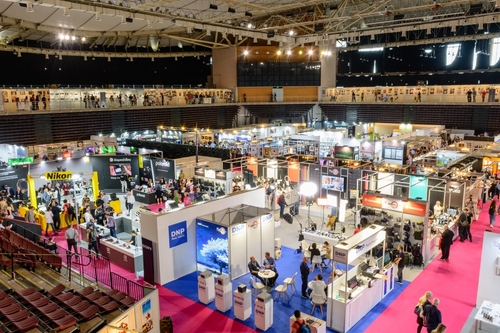
Exhibitions can serve very different commercial purposes. Some businesses attend trade shows to generate leads and secure appointments, while others focus on launching products, strengthening relationships with existing customers or increasing visibility within a particular sector.
Those objectives should shape almost every decision that follows, from the size of the stand and the location of the pitch to the materials you produce and the staff you bring to the event.
When Solopress exhibits at trade shows, activity is typically built around a clear campaign focus or business objective. That central theme then influences everything from demonstrations and competitions to social content, promotional materials and branded clothing. Having a clear focus helps shape the visitor experience and gives the team a more consistent message to communicate throughout the event.
Without a defined objective, exhibitors can easily fall into the trap of trying to communicate everything at once. In crowded exhibition halls where visitors are exposed to hundreds of competing messages, clarity is often more effective than volume.
Before committing budget, it is worth deciding exactly what success looks like for your business. Objectives may include:
- generating qualified leads
- arranging distributor meetings
- launching a new product
- increasing brand visibility
- booking demonstrations
- strengthening existing customer relationships
Clear objectives also make practical planning decisions easier. A business focused primarily on lead generation may prioritise open layouts and fast visitor engagement, while a company launching a premium product may invest more heavily in demonstrations, hospitality or presentation areas.
Trying to pursue too many disconnected goals at once can dilute the effectiveness of the stand and make it harder for visitors to understand what your business is there to offer.
Determine the right scale of exhibition presence
One of the earliest planning decisions exhibitors face is how large a presence they want to create at an event. That choice influences budgeting, staffing, logistics, stand design and the type of interaction visitors are likely to have with the business on the day.
For some exhibitors, particularly smaller businesses or first-time attendees, a shell scheme or compact space-only pitch may offer the most practical route into exhibiting. These smaller footprints can still create strong visual impact when supported by clear branding, thoughtful layouts and well-designed display materials.
When Ancoats Guitars exhibited at The Guitar Show in Birmingham, the business operated from a relatively compact shell scheme positioned slightly away from the busiest areas of the hall. Roller Banners, printed Tablecloths and carefully planned branding helped define the space clearly and increase visibility within a crowded exhibition environment.
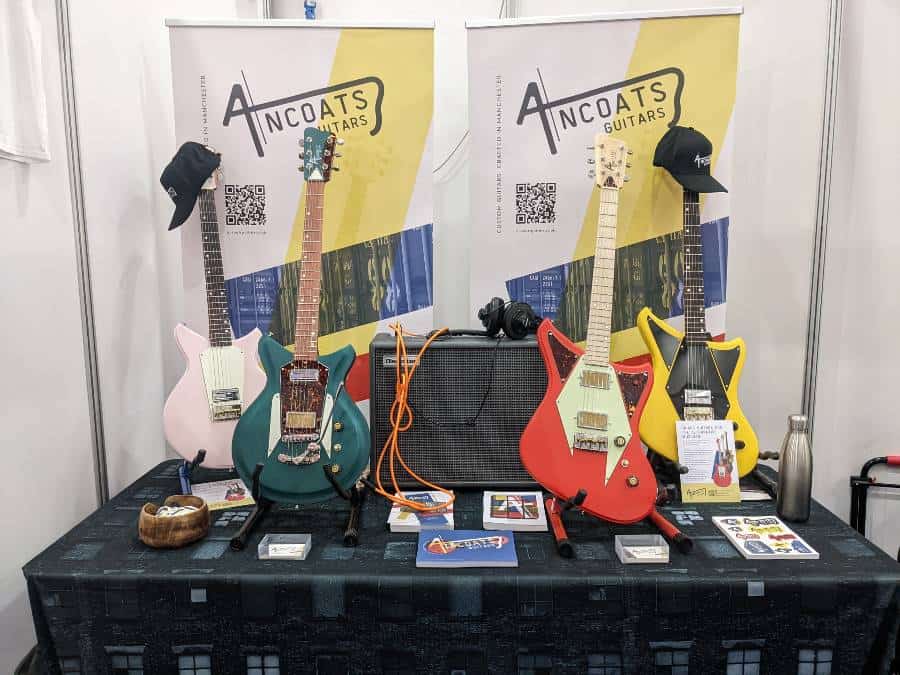
Smaller shell schemes and compact pitches are often well suited to:
- first-time exhibitors
- specialist events
- smaller budgets
- portable display setups
- businesses prioritising flexibility
They also tend to offer practical advantages including lower costs, simpler logistics and reusable freestanding display systems that can be adapted across multiple events.
Larger bespoke stands create different opportunities. Bigger spaces allow exhibitors to incorporate demonstrations, hospitality, meeting areas and interactive elements, but they also require greater investment, more detailed planning and closer coordination with organisers and contractors.
Across both small and large stands, one principle emerged consistently through our conversations with organisers and exhibitors alike: clarity matters.
Trade shows are crowded, fast-moving environments where visitors are surrounded by competing messages. Successful stands tend to communicate their purpose quickly, guide visitors naturally through the space and make interaction feel straightforward and approachable.
The most effective exhibition presence is not necessarily the largest or most elaborate. It is the one most closely aligned to the exhibitor’s objectives, audience and budget.
Choose the right event
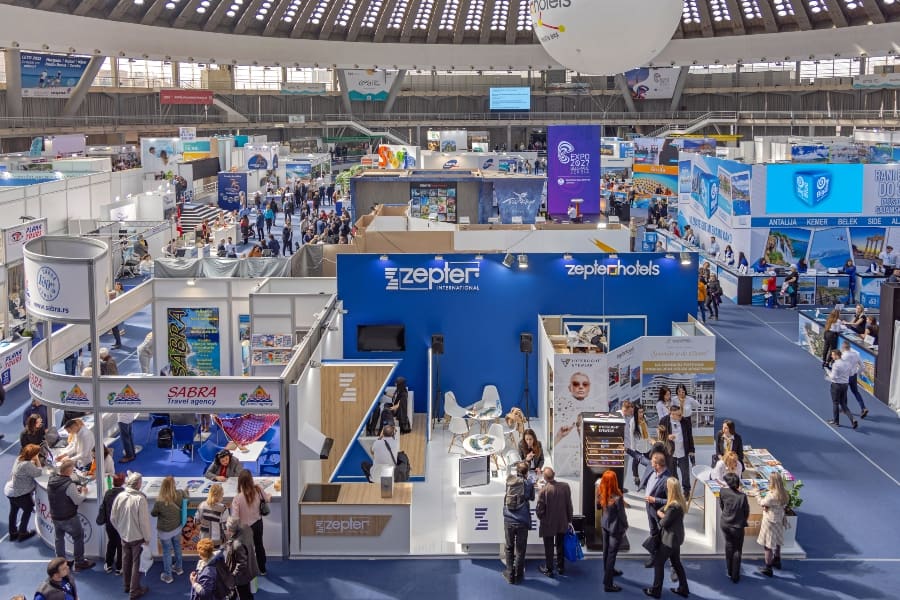
Not every exhibition will be the right fit for your business. Large visitor numbers may sound attractive, but audience relevance is usually far more important than raw footfall alone.
Smaller specialist events can sometimes produce stronger commercial opportunities because conversations are more targeted and attendees arrive with clearer intent.
Once objectives have been defined, exhibitors can assess which events are most likely to help achieve them. Factors such as attendee demographics, exhibitor mix, industry relevance, geographic reach and competitor presence can all help determine whether an event aligns with your goals.
Venue practicality also deserves attention. Travel requirements, accommodation availability, loading access and setup restrictions can all influence the overall cost and complexity of exhibiting.
For businesses new to a particular event, attending first as a visitor can provide valuable insight before committing budget to exhibiting. Walking the exhibition floor allows businesses to observe visitor behaviour, assess the atmosphere and evaluate whether the audience aligns with their products or services.
The more clearly an event matches your objectives and target audience, the more likely your investment of time, staffing and budget is to generate worthwhile commercial returns.
Budget realistically and allow for contingencies
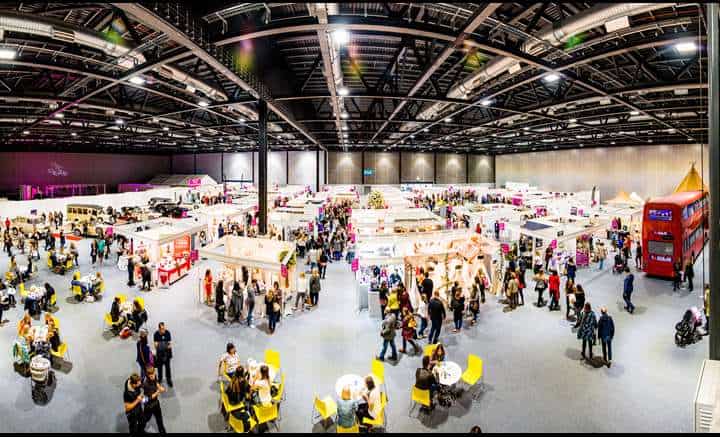
Exhibition costs rarely stop at the initial stand booking fee. Beyond floor space itself, exhibitors may also need to budget for display systems, graphics, transport, accommodation, staffing, electrics, internet access, flooring, furniture hire, promotional materials and marketing activity before the event even begins.
Additional costs can emerge quickly once planning is underway. Exhibitors may find they need extra power or connectivity, replacement graphics, additional printed materials or last-minute venue services that were not included in the original budget. Setup delays, damaged display items or underestimated staffing requirements can also increase costs unexpectedly.
Allowing room within the budget for contingency spending helps reduce pressure if plans need to change close to the event.
Typical exhibition costs may include:
- stand space
- display systems and graphics
- transport and accommodation
- staffing and overtime
- electrics and internet access
- flooring and furniture hire
- promotional items and literature
- lead capture systems
- installation support
- marketing and social promotion
Budgeting carefully also makes it easier to decide where investment will have the greatest impact. For some exhibitors, that may mean prioritising a larger stand footprint. Others may choose to invest more heavily in demonstrations, hospitality or reusable display systems that can support multiple events over time.
The earlier these costs are identified, the easier it becomes to make informed decisions about the overall scale and complexity of the exhibition presence.
Select the right pitch location
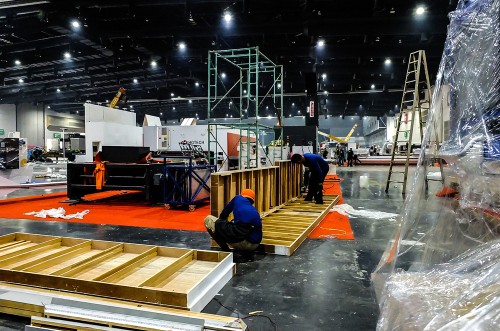
Once you have chosen an event, the position of your stand within the venue can have a major influence on visibility and visitor engagement.
Most organisers provide floorplans before booking, allowing exhibitors to assess footfall routes and identify areas likely to attract higher levels of traffic. Pitches near entrances, refreshments, seminar theatres and main walkways often receive greater visibility throughout the event, though these locations may also command higher prices.
Visitor movement through exhibition halls is rarely evenly distributed. Some areas naturally become busier than others depending on the layout of the venue, the location of key attractions and the way attendees circulate around the space during the day.
Reviewing floorplans carefully before booking can help exhibitors assess:
- likely visitor approach routes
- nearby seminar spaces or attractions
- congestion points
- visibility from major walkways
- access to storage or loading areas
For exhibitors attending an event for the first time, visiting beforehand as an attendee can provide useful insight into how people actually move through the venue in practice. Real-world visitor behaviour often differs from what a floorplan alone might suggest.
The best pitch location is not always simply the busiest one. It is the position that gives your business the strongest opportunity to attract the right visitors and create productive interactions throughout the event.
Plan and rehearse your stand before the event

Businesses we spoke to repeatedly stressed the value of rehearsing stand layouts before arriving on-site, particularly when working with unfamiliar venues or compact exhibition spaces.
Even relatively simple stands can become difficult to assemble under exhibition conditions if they have never been tested beforehand. Time pressures, crowded loading bays and unfamiliar venue rules can quickly turn minor oversights into stressful problems.
A rehearsal setup does not need to be elaborate. Marking out stand dimensions in a warehouse, office or car park can help exhibitors understand how the space will function in practice and identify issues before arriving at the venue.
Practice setups can reveal:
- awkward visitor flow
- blocked sightlines
- impractical furniture layouts
- hidden storage problems
- cable management issues
- missing fixings or tools
- assembly difficulties
Several exhibitors recommended photographing completed rehearsal layouts to make setup quicker and more consistent on-site. Others stressed the value of creating detailed packing inventories after learning through experience how disruptive forgotten components can become once setup begins.
Practical problems are often more mundane than exhibitors expect. During one exhibition setup, Solopress discovered that filling weighted Flag bases on-site involved repeated trips across the venue with small bottles of water because the practicalities of installation had not been fully considered beforehand.
Rehearsals also provide an opportunity to assess the visitor experience itself.
Chris Davies noted that some exhibitors unintentionally create barriers by surrounding their stands with large machinery or counters, forcing visitors into conversations “over the top of a machine” rather than encouraging them comfortably into the space.
Open access points, clear sightlines and logical visitor flow all help create a more welcoming environment and encourage stronger engagement.
Understand venue requirements and exhibitor guidance
Experienced organisers consistently stress the importance of reading exhibitor documentation thoroughly before arriving at the venue.
Exhibitor manuals often contain critical operational information covering:
- setup schedules
- loading access
- parking arrangements
- deliveries
- electrical requirements
- approved contractors
- safety regulations
- breakdown procedures
- waste disposal
- emergency contacts
Brian Charity Senior Events Managers at Exhibition Centre Liverpool described the exhibitor manual as “essentially a Bible for all exhibitors” because it centralises almost everything participants need to know before arriving on-site.
Despite this, organisers regularly encounter exhibitors who overlook important details until setup is already underway.
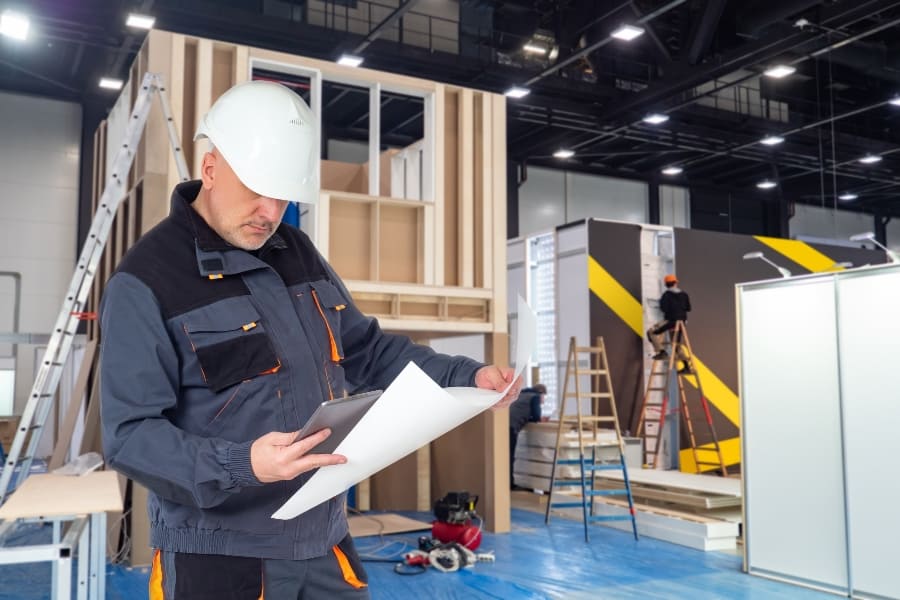
Many first-time exhibitors are surprised by the nature of installation days themselves. Before an event opens, exhibition halls often resemble active construction sites, with forklifts moving through loading bays, contractors assembling stands and teams working against tight deadlines.
Some venues require PPE such as high-visibility clothing during setup and breakdown periods. Others operate strict schedules for deliveries, vehicle access and contractor movements.
Technical requirements can also become more complicated than expected once third-party suppliers become involved. During one Solopress exhibition setup, additional electrical and network access had to be coordinated between the venue, stand builders and external coffee suppliers to ensure the installation functioned properly on the day.
Successful exhibitor relationships with organisers and venues are usually collaborative rather than confrontational. As Chris Davies explained:
“If the show isn’t a success, there is no exhibition.”
That shared interest is why organisers and venues often provide:
- promotional assets
- exhibitor guidance
- technical assistance
- layout advice
- marketing opportunities
- compliance support
Many exhibitors underuse these resources despite them already forming part of the overall investment in the event.
Prepare your team as carefully as your stand
Strong stand graphics and exhibition materials can attract attention, but meaningful engagement still depends heavily on the people representing the business on the day.
Visitors form impressions quickly, not only from displays and branding, but also from atmosphere and behaviour. Staff who appear distracted, disengaged or unapproachable can unintentionally discourage interaction before conversations even begin.
Organisers repeatedly highlighted how many opportunities exhibitors lose simply because nobody actively engages passing attendees.
This becomes especially noticeable during quieter periods. Some stands remain passive and wait for visitors to initiate conversations. Others create interaction proactively.
At one exhibition, Solopress promoted a free coffee giveaway from its stand. Despite large signage and strong visual branding, engagement initially remained lower than expected. Once team members began actively approaching attendees and offering drinks directly, interaction increased significantly. The issue was not the concept itself, but the assumption that visitors would naturally initiate engagement without encouragement.
Trade shows are also physically and mentally demanding environments. Long days of repeated conversations require focus, adaptability and energy.
Several exhibitors highlighted the value of bringing a balanced mix of people to events, that might include:
- sales staff for initiating conversations, qualifying leads and building rapport quickly
- technical specialists to answer detailed product or process questions with confidence
- marketing personnel to maintain consistent messaging, manage promotional activity and create social content during the event
- senior leadership, whose presence often signals commitment and can encourage higher-level commercial conversations
- operational or production team members who can explain fulfilment, logistics or manufacturing capabilities in practical terms
- customer service representatives who understand common customer concerns and day-to-day account handling
- product demonstrators who can keep presentations clear, engaging and running smoothly throughout the day
Rotating responsibilities throughout the day can also help maintain energy levels. Swapping between demonstrations, lead capture, stand management and visitor engagement prevents fatigue and helps conversations remain fresh and enthusiastic.
Rehearse conversations, not scripts
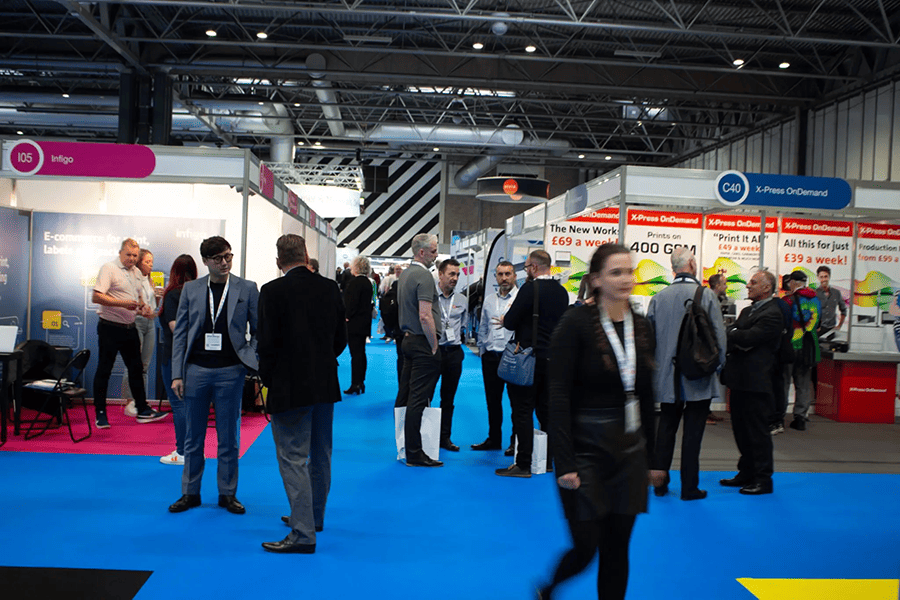
Preparation should extend beyond physical setup and logistics. The most effective exhibitors also prepare how they intend to communicate once the event begins.
Trade show visitors rarely respond well to lengthy rehearsed monologues. Exhibition halls are noisy, crowded and highly competitive environments where attention spans are limited and distractions constant.
Natural conversations generally perform far better than heavily scripted presentations.
Role-playing before the event can help teams practise:
- concise introductions
- qualifying questions
- product demonstrations
- objection handling
- lead capture
- transitioning conversations naturally
Several exhibitors stressed the importance of avoiding information overload. Visitors absorb far less information than exhibitors often assume, particularly when moving quickly between dozens of stands during a single day.
Short, focused explanations are usually more memorable than attempting to communicate every capability, product or service at once.
S2 Design and Advertising advised exhibitors to develop “an elevator pitch that does not sound too rehearsed or robotic”, highlighting the importance of sounding informed and conversational rather than overly scripted.
Promote your attendance before the exhibition begins
Relying entirely on exhibition footfall can be risky. Pre-show promotion helps create familiarity before visitors even arrive at the venue and can significantly improve the quality of interactions during the event itself.
Many organisers provide exhibitors with promotional resources including logos, social graphics, email templates, web banners and digital assets. These materials are often underused despite being specifically designed to help exhibitors maximise visibility before the event begins.
Useful pre-show promotion may include:
- email campaigns
- social media activity
- appointment scheduling
- customer invitations
- teaser announcements
- website banners
- press releases
Some of the most effective exhibition marketing also creates a specific reason for attendees to visit the stand itself.
Competitions, demonstrations, launches, hospitality and interactive experiences can all help generate anticipation ahead of the show, particularly when they support wider business objectives rather than acting as distractions.
Solopress combined free printed coffees with a LinkedIn competition at one exhibition to encourage attendees to share content online and expand awareness beyond the exhibition floor itself. The activity worked because it created conversation opportunities connected directly to the wider message the business wanted to communicate.
Devon Luffrum of Your Business Expo also stressed that organisers have a vested interest in helping exhibitors attract visitors because strong exhibitor engagement contributes directly to the success and reputation of the event itself.

Plan your follow-up before the exhibition begins
One of the strongest recurring themes from experienced exhibitors concerned what happens after the exhibition ends.
Trade shows create momentum quickly, but that momentum fades just as quickly if follow-up is delayed or disorganised.
Exhibition specialist Steve Lloyd of Exhibition Mastery described this decline in enthusiasm as “the law of diminishing astonishment”, referring to the way visitor excitement and recall naturally weaken the longer follow-up takes after the original interaction.
Before the event begins, exhibitors should decide:
- how leads will be recorded
- who is responsible for follow-up
- how quickly contact should happen
- what information needs capturing
- how prospects will be prioritised
Experienced exhibitors often recommend allowing prospects enough time to return to their offices and process the event itself, while still following up quickly enough for conversations to remain fresh in their memory.
Personalised follow-up generally performs far better than delayed generic sales emails distributed to every contact simultaneously.
Where possible, continuity also helps. Having the same team member continue the conversation after the event can strengthen relationships and make interactions feel more genuine and relevant.
Expect problems and stay adaptable
Even carefully planned exhibitions rarely proceed without challenges.
Deliveries arrive late. Graphics become damaged. Internet connections fail. Equipment malfunctions. Timings shift. Crowds behave differently than expected. Under exhibition conditions, relatively small issues can escalate quickly because setup periods are tightly scheduled and multiple suppliers are often working simultaneously within the same space.
Venue managers and organisers repeatedly stressed that exhibitions involve constant problem-solving behind the scenes. The difference between successful and unsuccessful exhibitors is rarely whether problems occur at all. More often, it comes down to how calmly and efficiently those problems are handled once they appear.
One recurring theme from experienced exhibitors was the importance of avoiding single points of failure. If only one team member understands the stand build, one delayed delivery contains essential components or one laptop holds the only copy of important artwork files, minor setbacks can quickly become major operational problems.
Several practical precautions can help reduce pressure on the day:
- build contingency time into setup schedules rather than planning to the minute
- arrive early where venue access allows
- carry backup artwork files on cloud storage and separate devices
- bring spare chargers, extension leads and adapters
- pack basic tools, tape and spare fixings
- test demonstrations and internet-dependent features beforehand
- confirm delivery windows and venue contacts in advance
- prepare for staff illness or travel disruption
- ensure more than one team member understands the setup process
- consider bringing additional staff during setup and breakdown periods
Preparation creates flexibility because responsibilities, objectives and contingency plans are already understood before pressure begins to build.
Final exhibition preparation checklist
Before travelling to the event, confirm:
- stand dimensions
- setup schedules
- delivery arrangements
- PPE requirements
- accommodation and parking
- printed materials
- promotional items
- charging cables and adapters
- tools and fixings
- lead capture systems
- team schedules
- emergency contacts
Where possible, carry backups for commonly forgotten or easily damaged items, including:
- extension leads
- chargers
- stationery
- tape and fixings
- digital artwork files
- spare printed materials
Exhibitions compress a huge number of moving parts into a very short period of time. The exhibitors who perform best are rarely improvising on the day itself. More often, they are the businesses that arrived with clear objectives, understood the environment thoroughly and prepared their team carefully enough to make the most of every interaction.
FAQs
How early should you start preparing for a trade show?
Preparation timelines vary depending on stand complexity, but larger bespoke exhibition stands can require six to twelve months of planning. Even smaller shell scheme exhibitors benefit from beginning preparations several months ahead to allow time for stand planning, marketing activity and logistics.
What should exhibitors bring to a trade show?
Requirements vary between events, but exhibitors commonly need:
- printed marketing materials
- business cards
- display systems
- branded clothing
- lead capture tools
- chargers and adapters
- extension leads
- stationery
- refreshments
- setup equipment
What makes a trade show successful?
Successful exhibitions usually combine:
- clear objectives
- strong preparation
- approachable staff
- effective follow-up
- clear messaging
- practical stand design
- meaningful visitor engagement
Why is follow-up important after exhibitions?
Most exhibition conversations do not become sales immediately. Prompt follow-up helps maintain momentum while interactions and conversations are still fresh in the visitor’s memory.
How can exhibitors attract more visitors to their stand?
Approachable staff, strong visual messaging, demonstrations, competitions, hospitality, interactive elements and effective pre-show promotion can all help increase stand engagement and visitor footfall.



 English
  French
  Spanish
  German
  Italian
  Dutch
Dutch  Polish
  Romanian
  Bulgarian
  Danish
  Turkish
  Portuguese